 Fleet Operations · Case Study
Fleet Operations · Case Study
Fleet Operations · Case Study
By making three simple improvements, one DSP operator reduced device downtime by 75% and eliminated weekly phone losses. This is exactly what they did.
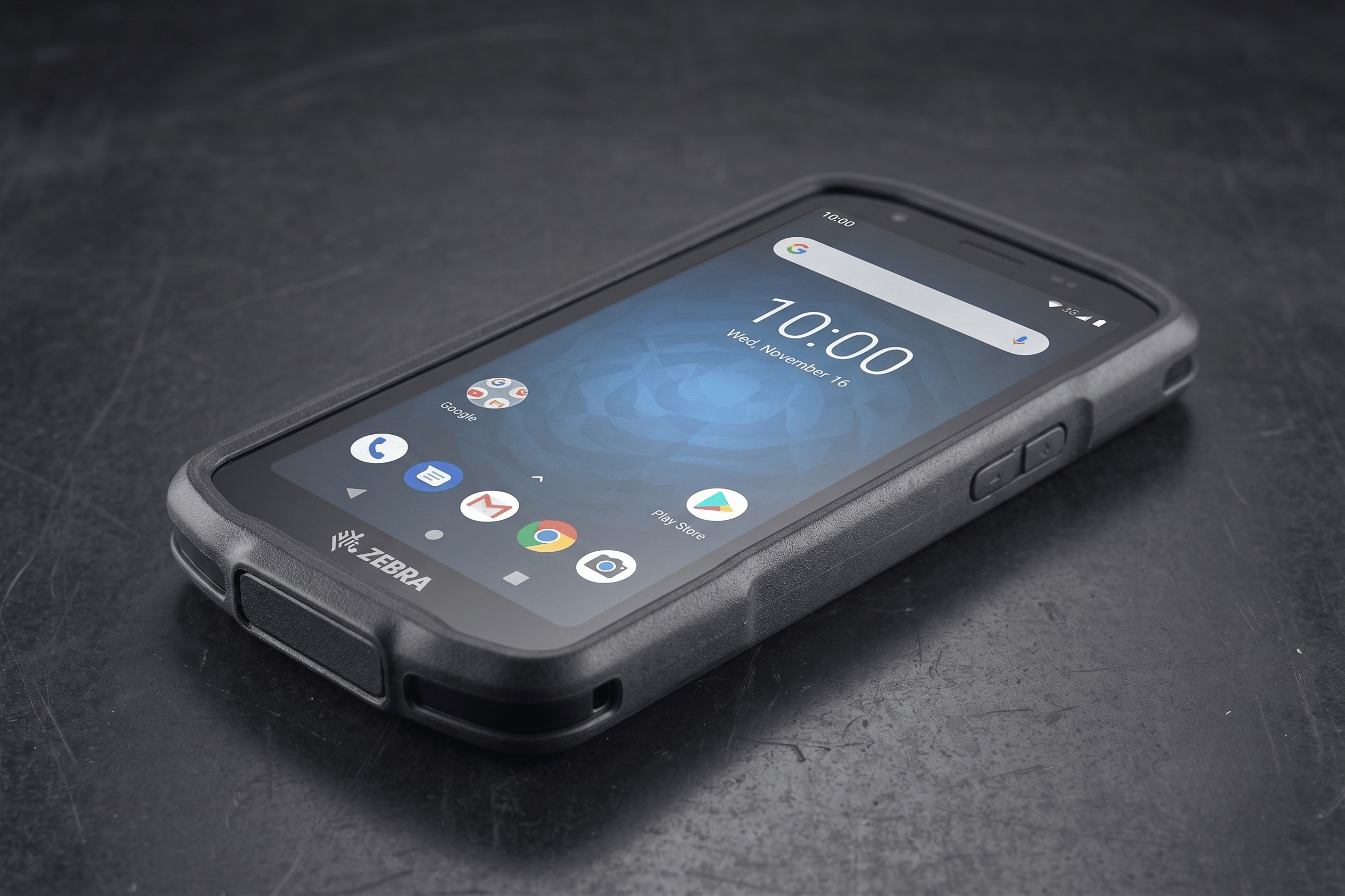
A consumer phone appears cheap on the bill. But what about the damaged screens, dead batteries, and driver downtime that follow? None of this appears on any invoices. It is unnoticeable until counted, yet it spreads throughout all shifts.
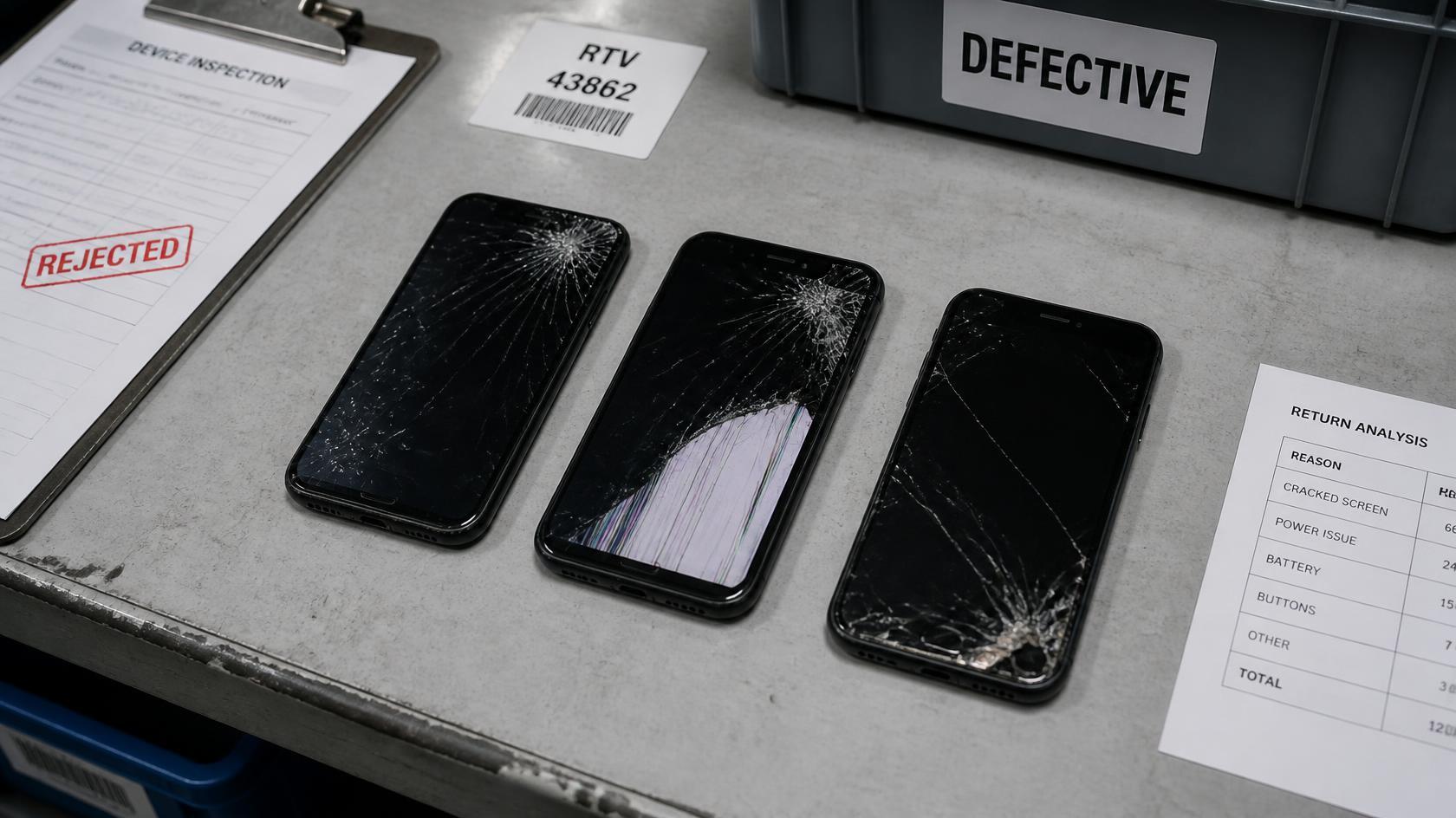
Consumer phones break at a 19.8% annual rate. Rugged gadgets account for 3.8%. Drivers experience approximately three times more failures due to the same dips, weather, and all-day use during their shifts.
Source: VDC Research / Ivanti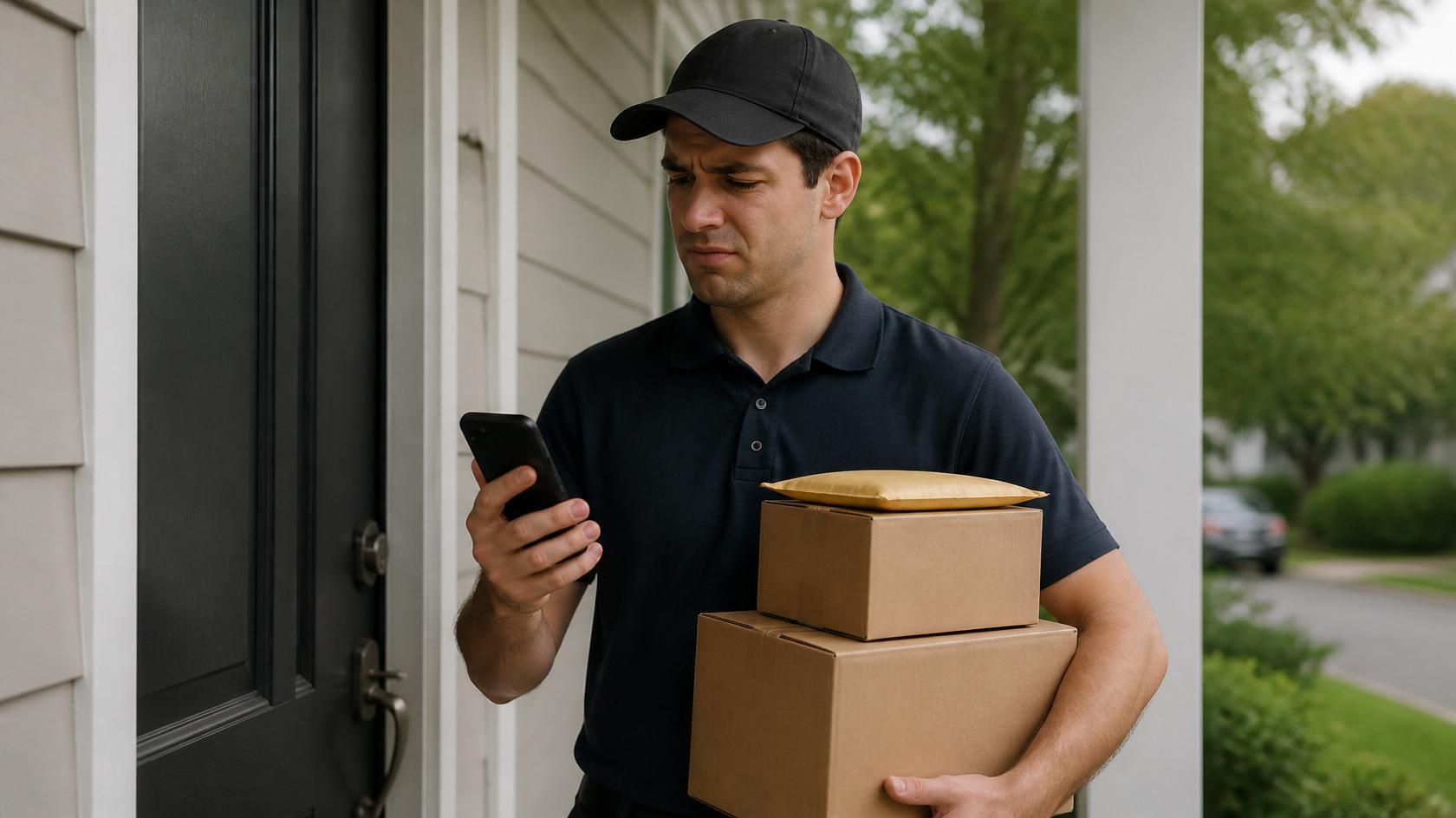
One broken phone can cost up to 170 minutes of paid time. Everything from the driver waiting for the device to the IT back-and-forth, skipped stops, and a supervisor who had to drop everything else is part of the problem.
Source: VDC Research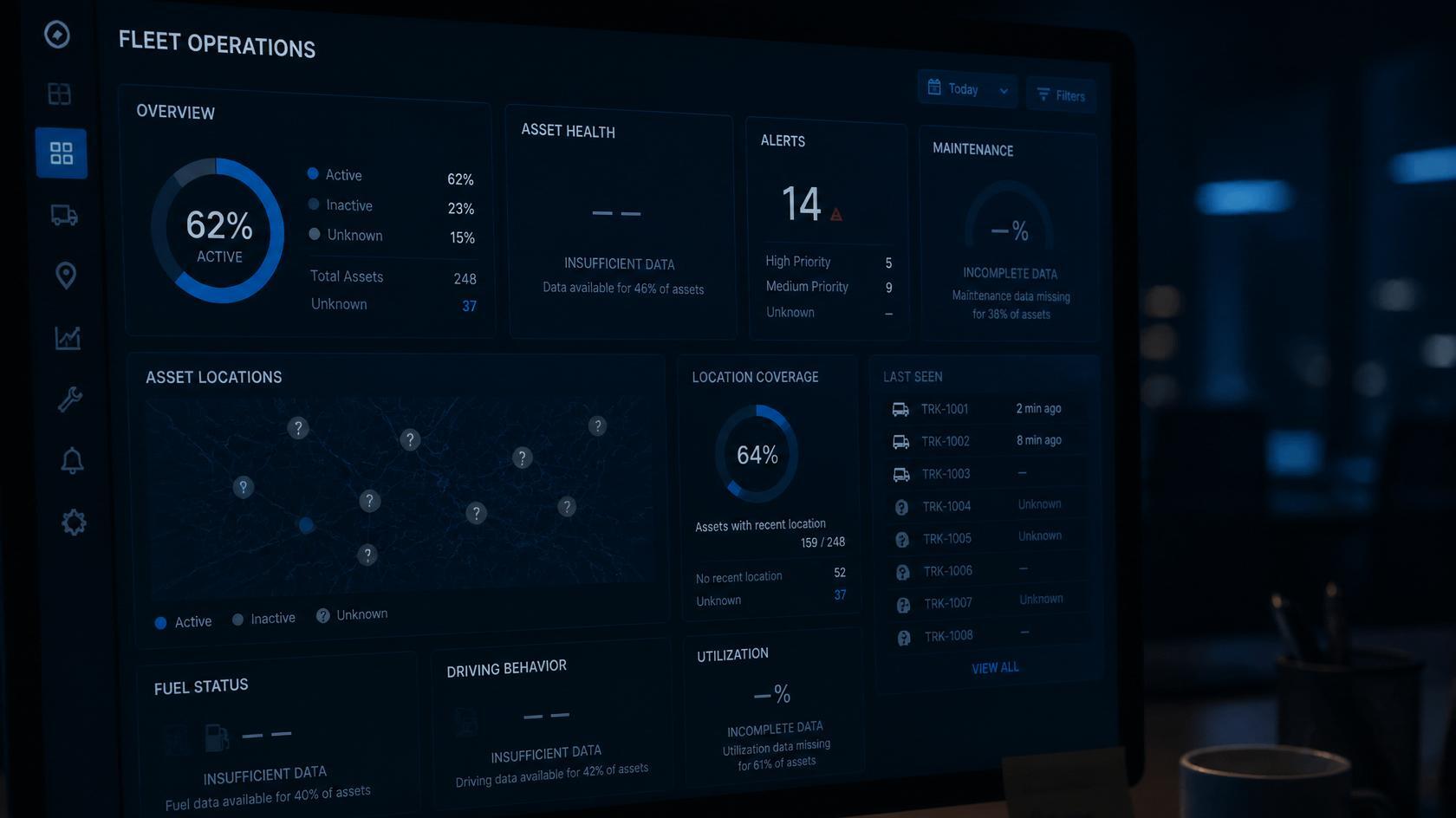
Nine out of ten device problems are never reported. This means that the real cost isn't shown on your dashboards because it's hidden behind bad stops or slow routes. The problem is actually the driver's phone.
Source: B2M Solutions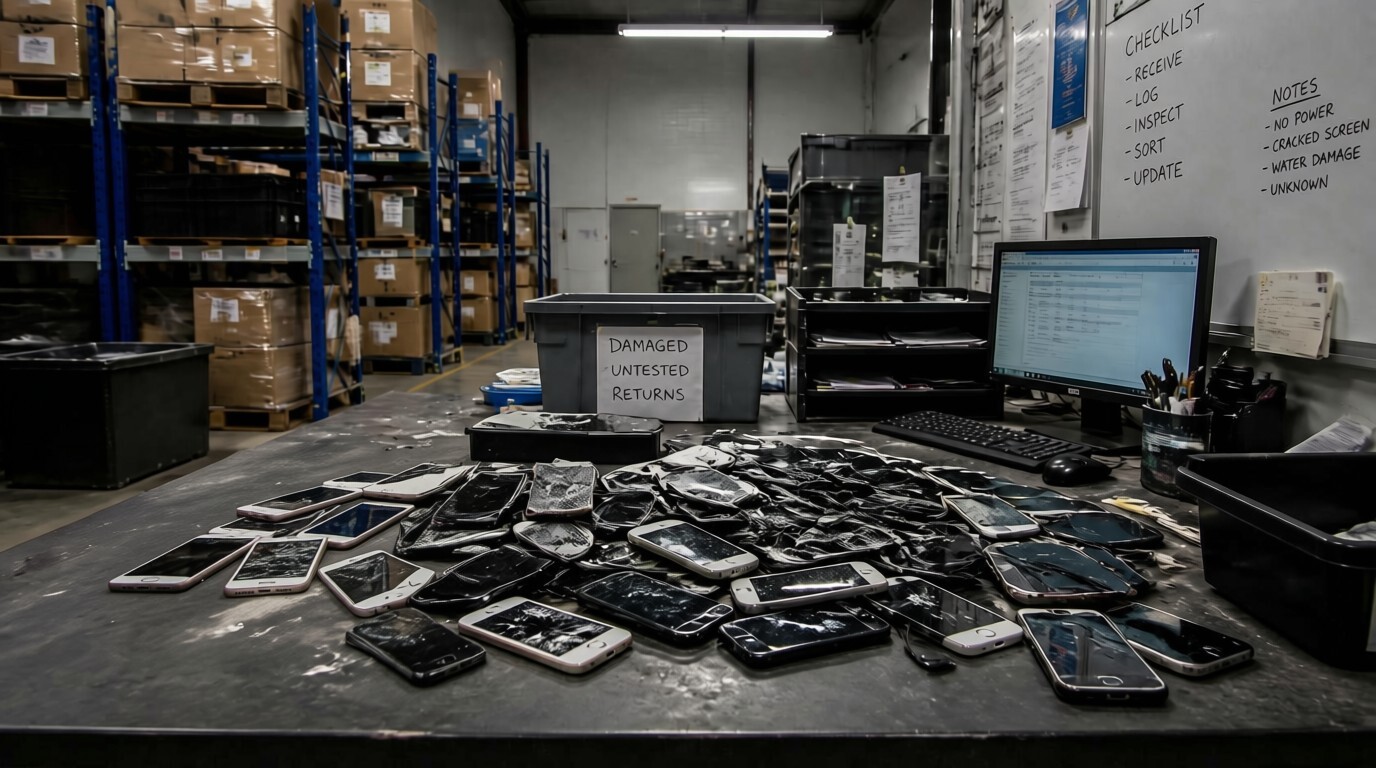
Like most DSP fleets, OneLove Logistics began with cell phones for consumers. The phones looked like they would be cheap on paper. In reality, several devices broke every week. Screens that are cracked from drops. Batteries that died before the route was finished. A problem with IT that kept getting worse.
It wasn't just the cost of the new phone. Every route was messed up by a dead device. Each driver waiting at a door for the device to start up again. Every IT ticket that took someone away from running the business to fix a $400 phone that wasn't made for the job.
Operators term these "ghost costs." They are not on an invoice. But you experience them every day – in late deliveries, supervisors stuck troubleshooting, and routes that don't go to plan. They're the toughest costs to pin down because they're the toughest costs to see.
DeviceSolutions assisted OneLove Logistics in upgrading from consumer phones to a field-ready device solution, priced for independent operators rather than corporate IT departments.
The TC27 is built for what exactly kills consumer phones: concrete drops, rain, full day battery usage and hundreds of shipments scanned a shift. It doesn't only go longer. It affects the way your drivers work.
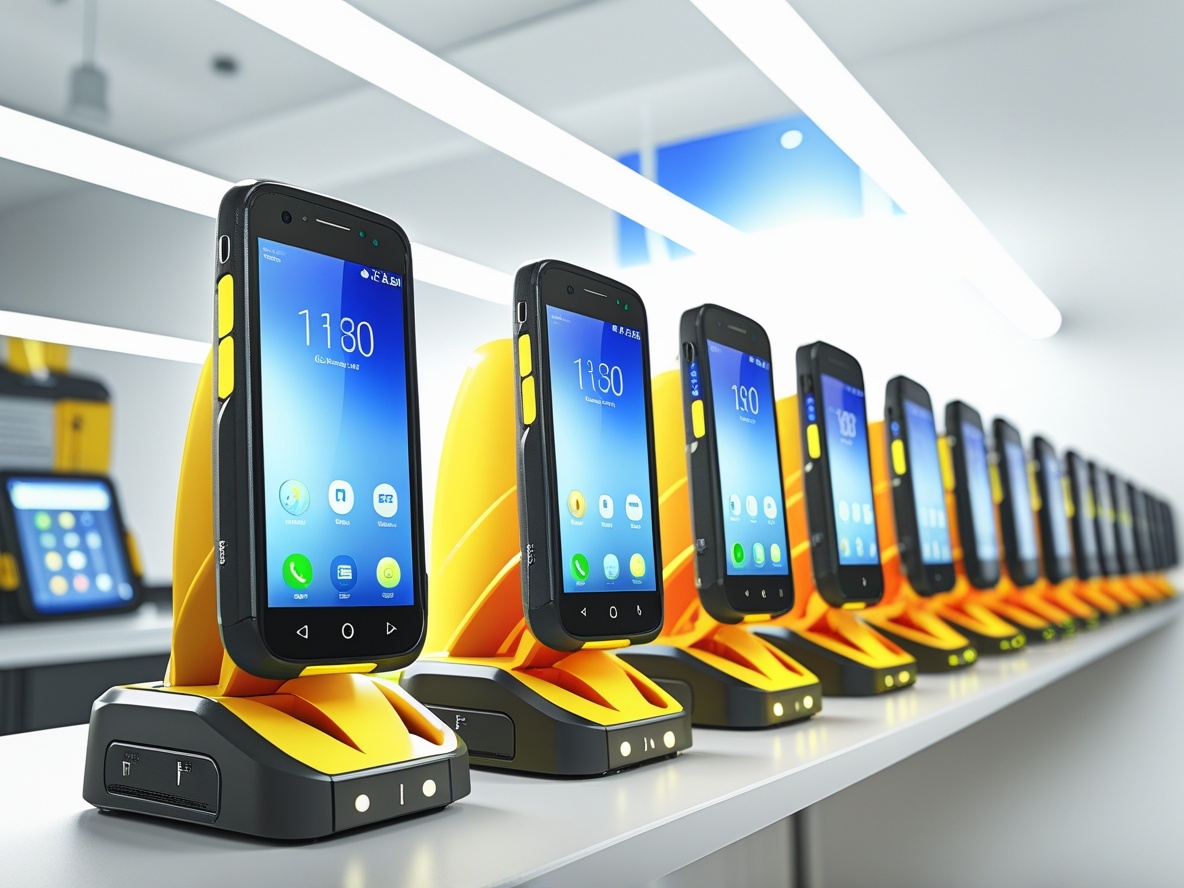
Battery issues accounted for a large portion of OneLove's downtime. Now the depot's cradles ensure all devices are completely charged at the end of each shift. There are no cords to forget. There are no dead phones at stop 80.
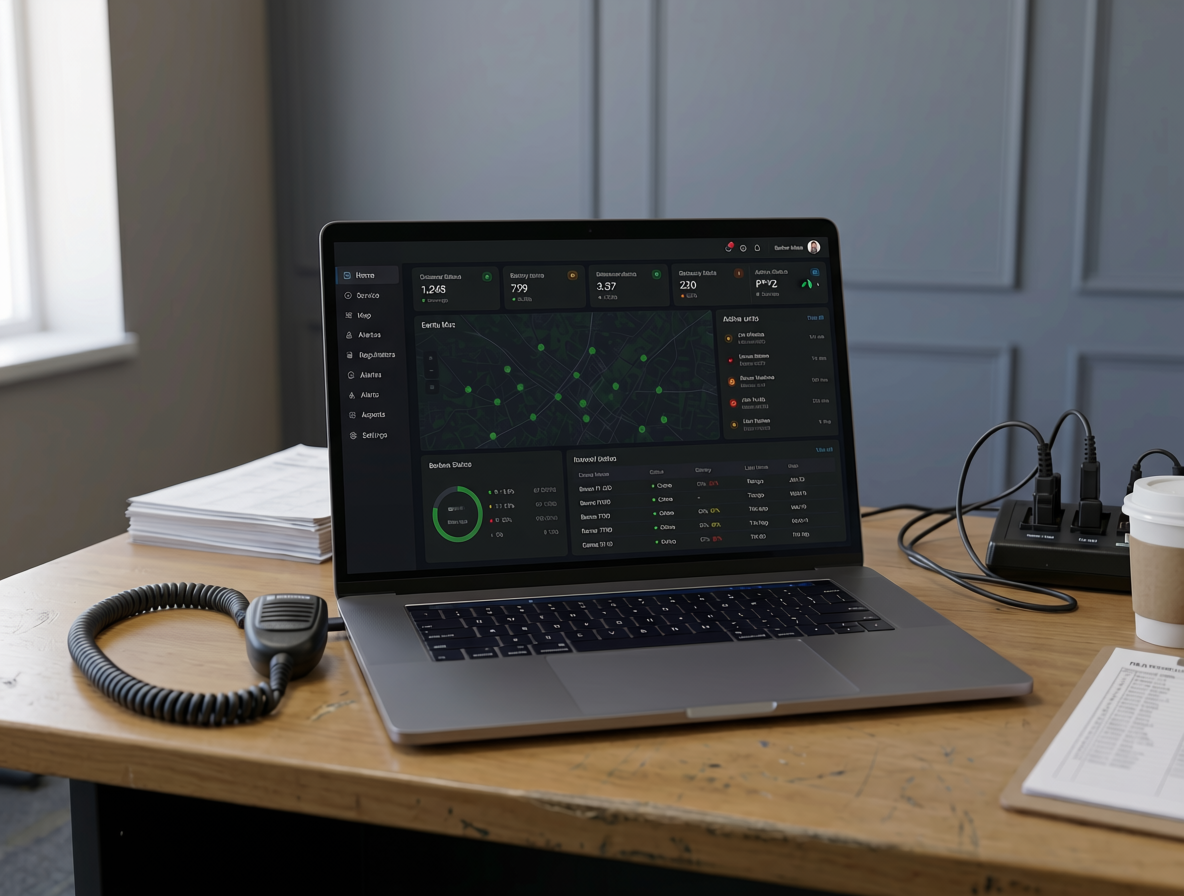
You can't control what you don't see. Esper provides information about each device in your fleet, including location, battery health, and operational status. Problems that once required an on-site technician? Fixed remotely while driver remains on the road.
OneLove Logistics went from having several device failures a week to only six total events in the first five months after switching. That's a 75% drop.
The cradles stopped battery failures before they could begin. The TC27s took the drops and the temps that had been killing their old phones. Esper provided the team a perspective of their entire fleet that they'd never had before – every gadget tracked, every issue addressed before it destroyed a route.
The math was simple: fewer damaged phones, less IT calls, fewer missed stops, fewer second-attempt deliveries. The hardware that seemed expensive at the start ended up being cheaper.
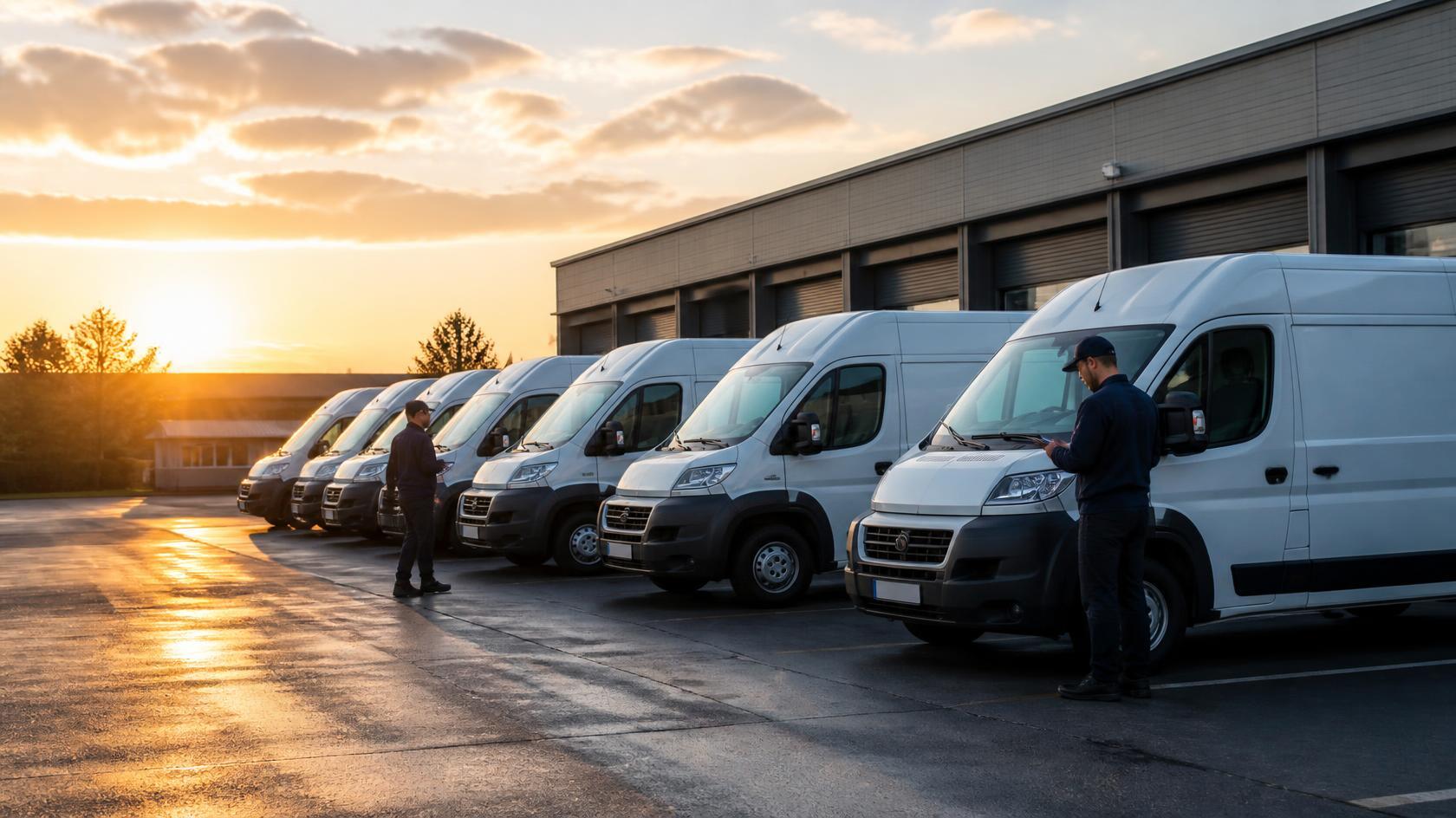
"Switching to Zebra TC27s was a game changer for us. We went from breaking multiple phones a day to only 6 incidents in five months. The difference in how we operate day-to-day is night and day."
Every day, the OneLove story is shared by delivery fleets, ISP operations, and field service teams. The hardware is different. The problem remains the same.
For fleets where fixing mobile devices is a regular part of the workweek, this strategy is ideal. No matter your size, the configuration of your depot, or the network you're on, it makes no difference.
From local ISPs to national field service fleets and multi-site contractors, DeviceSolutions works with operators of all sizes.
The complete tale in a page: what was breaking, what changed and what the figures looked like after five months. Great for sharing with your operational team or making the case internally.
No two fleets are identical – the number of devices you have, how your warehouse is set up, your budget. In 30 minutes, We'll go over what you're spending today and show you what this exact setup would look like in cost for your organization.
No sales pitch. No obligation. Just an honest look at whether this makes sense; and what it would cost.
Fill this out and pick a time that works.